
INCT - Brazilian Fungi
When it comes to the biological role in different biomes, fungi are simultaneously among the most important and least characterized living organisms on the planet. Only about 140,000 species are known, out of an estimated total of approximately 3.5 million. Besides their essential role in ecosystems in nutrient cycling, fungi are also an important source of bioeconomic products in three strategic areas for the sustainability of our society: health, energy, and food. This knowledge gap is even greater when considering the biodiversity and knowledge of the genetic heritage of the Brazilian mycobiota.
It was with this context in mind that researchers from various universities and research institutions in Brazil, from mycology as well as bioinformatics, biochemistry, molecular biology, evolution, communication, and information technology areas, created a National Institute of Science and Technology (INCT - FUNGOS_BR). The proposal is funded by the National Council for Scientific and Technological Development (CNPq) and the Ministry of Science, Technology and Innovation (MCTI). This institute will be a center of national and international excellence in mycology to elucidate biodiversity, genomics, ecosystem functionality, bioinput prospecting, conservation, and applications of fungi and similar organisms in Brazilian biomes, associated or not with the consequences of anthropic actions. This initiative, centralized at UFRN, counts with the participation of researchers from 37 other institutions in the country and 6 foreign institutions, aiming to place Brazil in a prominent position in the knowledge and rational and sustainable use of its fungal biodiversity.
The INCT_Fungos will unify researchers and the considerable infrastructure in the areas of mycology and genomics in the country, creating a national network, with an international interface, of specialists to promote the sustainable use of fungi and their biotechnological application. The physical and logical center of this network will be at the Federal University of Rio Grande do Norte (UFRN), with the establishment of a fungal species preservation bank, integrating taxonomic, evolutionary, phylogeographic, genomic, functional, and environmental data (metagenomes and metatranscriptomes) interconnected with institutional biological collections, as well as the headquarters of the bioinformatics analysis portal and educational material for the popularization of scientific knowledge in society, environmental preservation centers, and promotion of teaching at basic, technological, and higher levels. The approved resources will also be used for the training of undergraduate and graduate students and to promote efficient scientific interactions and collaborations at national and international levels. This national knowledge base will also generate data for use in artificial intelligence models, whose results and analyses will be made available interactively for researchers of Brazilian biodiversity.
Aims
General Objective
Establish the INCT-Fungi of Brazil Network as a center of national and international excellence in mycology, in order to elucidate the biodiversity, genomics, ecosystem functionality, and applications of fungi and fungus-like organisms in Brazilian biomes and microhabitats.
Specific
- Contribute to the training of human resources at undergraduate and graduate levels. INCT FUNGOS_BR is composed of researchers who advise in 39 Graduate Programs in the five different Brazilian regions.
- Contribute to the continuing education of researchers and students, mainly in neglected fungal groups, through the offer of remote undergraduate and graduate courses in mycology, fungal biotechnology, and applied bioinformatics offered by professors from Brazil and abroad.
- Develop short courses and advanced workshops (online and/or in-person) for training in omics methodologies, culturomics, bioassays, chemistry, and fungal taxonomy.
- Establish strategic partnerships with leading institutions in mycology and fungal biotechnology on different continents and implement an international mobility program for researchers and students of INCT-Fungos do Brasil.
- Foster and organize biennial international congresses on fungal biodiversity and its biotechnological applications.
- Prospect, identify, and characterize fungi with biotechnological potential in Brazilian ecosystems and microhabitats contaminated by heavy metals and pesticides, with special attention to the Pantanal, Amazon, and Caatinga biomes, for the development of bioremediation products.
- Prospect, identify, and characterize fungi with biotechnological potential associated or not with endemic plants of Brazilian biomes, with special attention to the Pantanal, Amazon, and Caatinga biomes, aiming at the development of bioinputs for plant growth promotion and phytopathogen control.
- Prospect, identify, and characterize fungi with biotechnological potential associated or not with insects of different Brazilian biomes, with special attention to the Pantanal, Amazon, and Caatinga biomes, for the development of bioinputs for biological pest control.
- Characterize fungi associated with humans and animals in order to understand the pathogen-host relationship, resistance mechanisms, as well as evaluate new forms of control.
- Obtain and analyze genomic, transcriptomic, and proteomic data of isolated and characterized fungal strains focusing on fungi of environmental, agroforestry, medical, and veterinary interest, aiming to create a comprehensive genomic database for comparative studies and biotechnological applications.
- Establish a genomic repository of type species of Brazilian fungi deposited in herbaria and mycological collections, aiming to preserve in silico the genetic resources of the Brazilian funga for the scientific community.
- Perform the unlocking and/or overexpression of genes or metabolic pathways of biotechnological interest, aiming at obtaining molecules or proteins of interest.
- Create a national knowledge base for local use in artificial intelligence models, whose data and analyses will be made available interactively for researchers of Brazilian biodiversity.
- Establish, without redundancies, an integrated, unified, and automated infrastructure for the analysis of genomes, transcriptomes, and proteomes, cataloging, analysis, storage, and use of molecular data generated from fungal species of Brazil.
- Develop the **TupiniMAIYCO** portal, a unified knowledge base with information on fungal biodiversity in Brazilian biomes, integrating ecological, taxonomic, evolutionary, phylogeographic, genomic, molecular, and functional data, interconnected with institutional biological collections.
- Characterize type fungi and reference isolates from Brazilian ecosystems with special attention to the Pantanal, Amazon, and Caatinga biomes, to obtain genomic data.
- Consolidate the Brazilian fungi bank of Fungos_BR for its *ex situ* preservation as well as being a reference for the biodiversity of Brazilian ecosystems with special attention to the Pantanal, Amazon, and Caatinga biomes in national reference culture collections and herbaria.
- Improve knowledge about the conservation status of species of the Brazilian Funga.
- Establish partnerships with the private sector for evaluation and validation of biological bioinputs of INCT-Fungos do Brasil.
- Elaborate and execute extension activities for continuing education of high school teachers.
- Organize and execute science fairs focusing on Brazilian Fungi for high school and elementary school students.
- Publish content about the project results on social media: Instagram, Facebook, X, and TikTok.
- Publish data in indexed journals of international circulation.
- Train and structure a network of Citizen Scientists for monitoring threatened species in areas of interest through the MIND.Funga app.
- Organize and implement the virtual mycology museum of INCT Funga -Brasil.
- Organize and edit a book on biodiversity, genomics, and biotechnological applications of Brazilian fungi.
- Analyze genomic, transcriptomic, and proteomic data of isolated and characterized fungal strains focusing on fungi of environmental, agroforestry, medical, and veterinary interest, aiming to create a comprehensive genomic database for comparative studies and biotechnological applications.
- Access the diversity of soil fungi in different Brazilian biomes using culture-independent methods - metabarcoding.
Goals
- Training of at least 210 Scientific Initiation students.
- Training of at least 14 doctors in the 32 Doctoral Graduate Programs participating in the proposal.
- Training of at least 35 masters students in the 39 Master's Graduate Programs participating in the proposal.
- Training of at least 350 undergraduate students in different undergraduate courses of higher education institutions in Brazil.
- Training of at least 175 graduate students in different Graduate Programs.
- Training of at least 280 professionals by the end of the project.
- Exchange of at least 7 students for sandwich doctorate.
- Training of at least 6 post-doctorates abroad.
- Realization of at least 7 short-term technical visits abroad.
- Organization of 1 congress throughout the project.
- Isolation, characterization, and ex situ preservation of at least 300 fungi capable of bioremediating heavy metals and agricultural pesticides.
- Isolation, characterization, and ex situ preservation of at least 400 fungi capable of promoting plant growth and controlling phytopathogens of species of agronomic and forestry interest.
- Isolation, characterization, and ex situ preservation of at least 200 fungi capable of acting in the control of pests of agroforestry plants.
- Isolation, characterization, and ex situ preservation of at least 400 fungi associated with human and animal pathosystems.
- Evaluation of pathogenicity mechanisms and resistance to chemotherapeutic agents of antibiotic-resistant strains.
- Prospecting and characterization of at least 30 new chemotherapeutic agents.
- Sequencing and genomic analysis of 1300 fungal strains isolated in objectives 5, 6, 7, and 8.
- Sequencing and genomic analysis of at least 1400 type species of Brazilian fungi.
- Creation and launch of an open-access online database containing the genomes of the sequenced type species.
- Creation of an online database containing tools (scripts, software) for unlocking and/or overexpression of genes or metabolic pathways of biotechnological interest.
- Creation of an online database containing tools (scripts, software) for local use in artificial intelligence models.
- Integrated, unified, and automated infrastructure for genome, transcriptome, and proteome analysis, cataloging, analysis, storage, and use of molecular data generated from fungal species of Brazil.
- Develop the TupiniMYAICO portal.
- Isolation, characterization, and ex situ preservation of at least 700 fungi.
- Ex situ preservation of at least 700 fungi.
- Manually evaluate the conservation status and make data available on the The Global Fungal Red List platform of at least 10 fungal species.
- Develop and test a computer program for automated assessment of the conservation status of fungi.
- Establishment and signing of at least 3 technical cooperation agreements for technology development.
- Offer of at least 14 extension courses for training municipal and state school teachers in mycology practices adapted to high school and elementary education.
- Training of at least 100 municipal and state school teachers in mycology practices adapted to high school and elementary education.
- Organization of 2 science fairs throughout the project.
- Elaboration and publication of at least 1000 contents for social networks throughout the project execution.
- Publication of at least 100 articles.
- App available on digital platforms.
- Organize and implement the Virtual Mycology Museum (MuViM) of INCT Funga -Brasil.
- Publication of 2 books throughout the project execution.
- Offer of at least 4 annual courses.
- Sequence the genomes of at least 300 isolated and characterized fungi.
- Sequence the genomes of at least 200 isolated and characterized fungi.
- Sequence the genomes of at least 400 isolated and characterized fungi.
- Toxicity evaluation of new chemotherapeutic agents.
- Assembly, annotation, and phylogenomic analysis of at least 1000 cultivable fungal strains.
- Assembly, annotation, and phylogenomic analysis of at least 1400 type species of Brazilian fungi.
- Characterize the composition and abundance of soil fungi in the Pampa, Cerrado, Pantanal, Amazon, and Caatinga by barcoding sequencing using environmental DNA.
- Ex situ preservation of environmental DNA extracted from soil of different Brazilian biomes.
Management Committee
Coordination
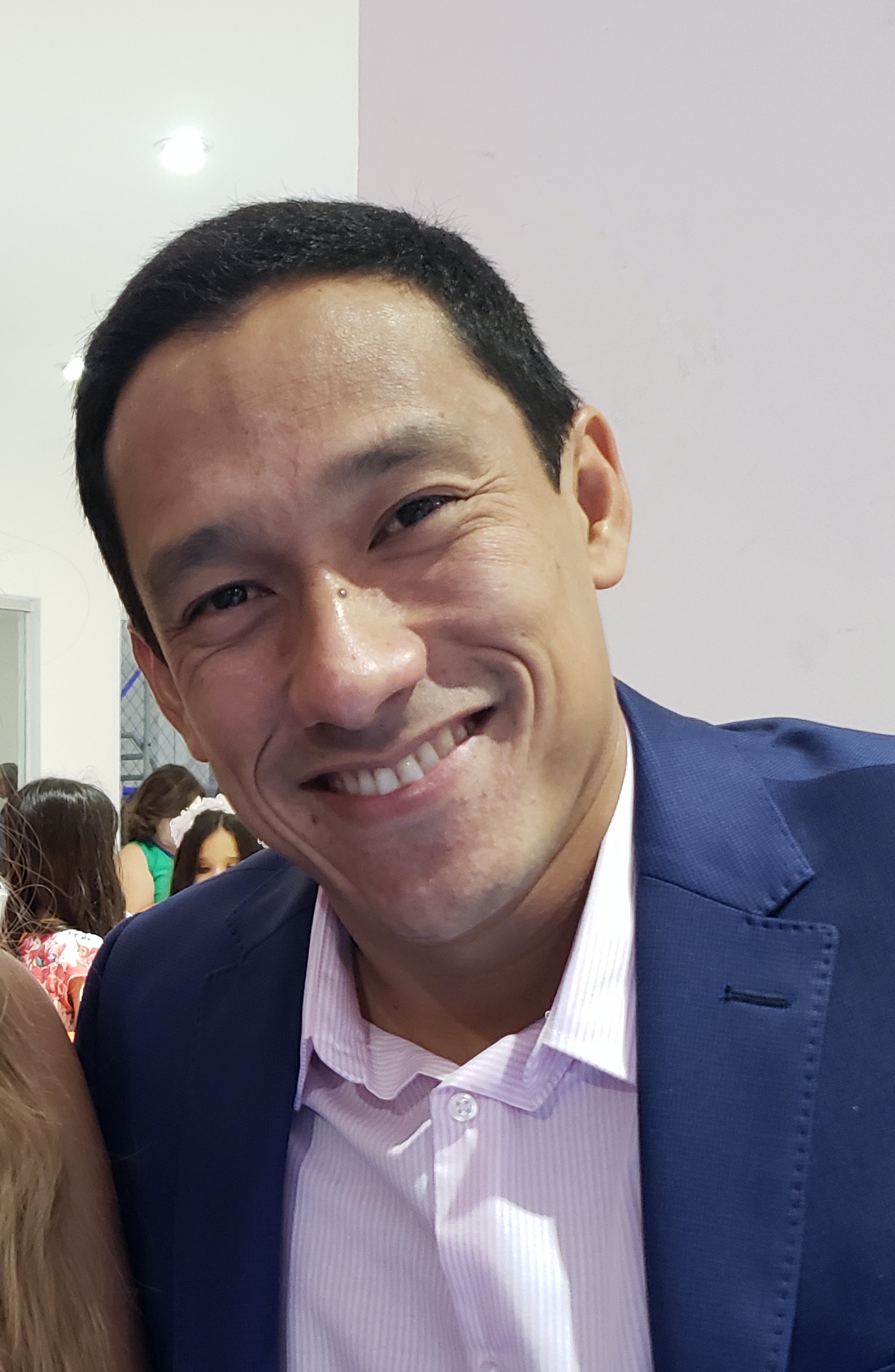
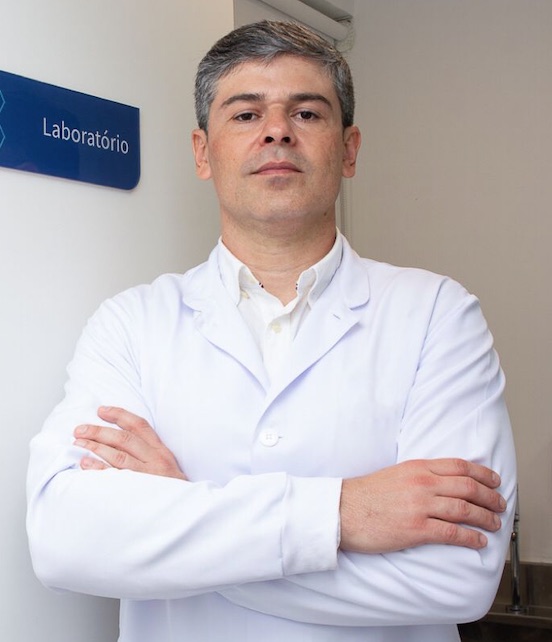
Bruno Tomio Goto
Bio
PhD in Fungal Biology from the Federal University of Pernambuco (2005-2009), conducting research at the Mycorrhiza Laboratory of the Department of Mycology. Currently Associate Professor at the Federal University of Rio Grande do Norte in the area of Botany and Mycology with emphasis on Taxonomy and Systematics of Fungi. Vice-coordinator of the Graduate Program in Systematics and Evolution between 2011 and 2014. Coordinator of the Graduate Program in Systematics and Evolution from 2014 to 2018 (Capes Concept 5) and develops his research at the Mycorrhiza Biology Laboratory. He is currently the Second Secretary of the new board (Mycology in Expansion) of the Brazilian Mycological Society for the 2023-2027 term, and Editor-in-Chief of the Boletim Micobiota, a scientific dissemination journal of the Brazilian Mycological Society. He conducts research in taxonomy, phylogeny, ecology, and evolution of Glomeromycota, also working on taxonomy and systematics of Mucoromycota with emphasis on Endogonales. He has described two classes, two orders, three families, 21 genera, and 46 species of fungi. Curator of the Glomeromycota area of the international initiative Outline of Fungi (http://outlineoffungi.org).
Links
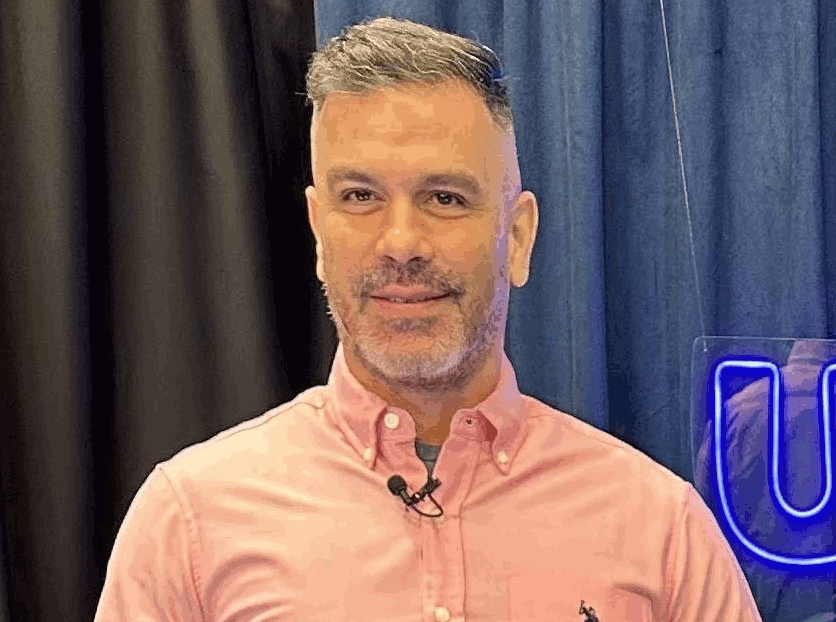
Marcos Antônio Soares
Bio
Licensed and Bachelor in Biological Sciences, with a master's and doctorate in genetics of filamentous fungi. Since 2008, he has been a professor at the Federal University of Mato Grosso (Cuiabá campus) working in the area of Microbiology. He coordinates the research group focused on agricultural and environmental microbiology, whose work is developed at the Laboratory of Biotechnology and Microbial Ecology (LABEM). The general objective of LABEM is to understand the structure of environmental microbial communities and/or those associated with macroorganisms (plants and animals), the functional role of the microbiota, and to develop biotechnological products and processes with bacteria and fungi. LABEM has implemented several eco-toxicological and toxicological assays using biological models.
Links
Members
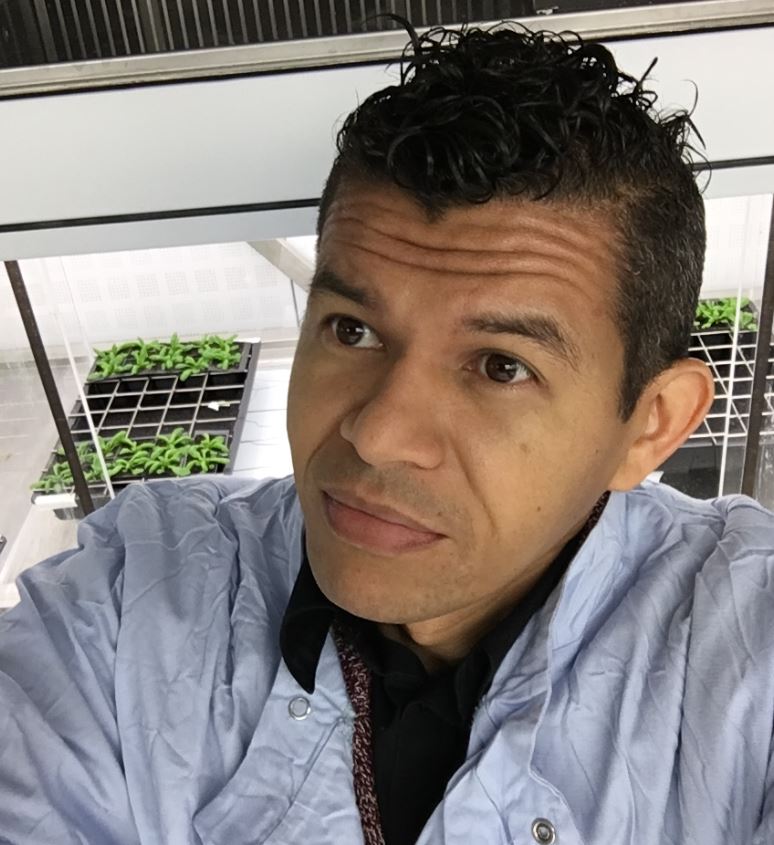
Gilvan Ferreira da Silva
Bio
He holds a degree in Biological Sciences from the Federal University of Sergipe (1999), a Master's in Genetics and Plant Breeding from the Federal University of Lavras (2003), and a PhD in Microbiology (Molecular Genetics and Microorganisms) from the Federal University of Viçosa (2007). He completed postdoctoral research in functional genomics at Plant Research International (PRI) - Wageningen University (2010) and in applied genomics at Rothamsted Research (UK) in 2016. Currently, he is a Researcher A at the Brazilian Agricultural Research Corporation - EMBRAPA. He coordinates the Molecular Biology and Genomics Laboratory at Embrapa Western Amazon. He has experience in Genetics, with an emphasis on Molecular Biology, working mainly on the following topics: genomics, pathogenicity genes, resistance genes, plant-pathogen interaction, population diversity and structure, functional genomics (gene Knockout and Knockdown), gene editing via CRISPR/Cas, and genome mining aimed at research and discovery of bioactive compounds from secondary metabolism in microorganisms. Productivity Fellow I of the Productivity in CT&I program - Fapeam.
Links
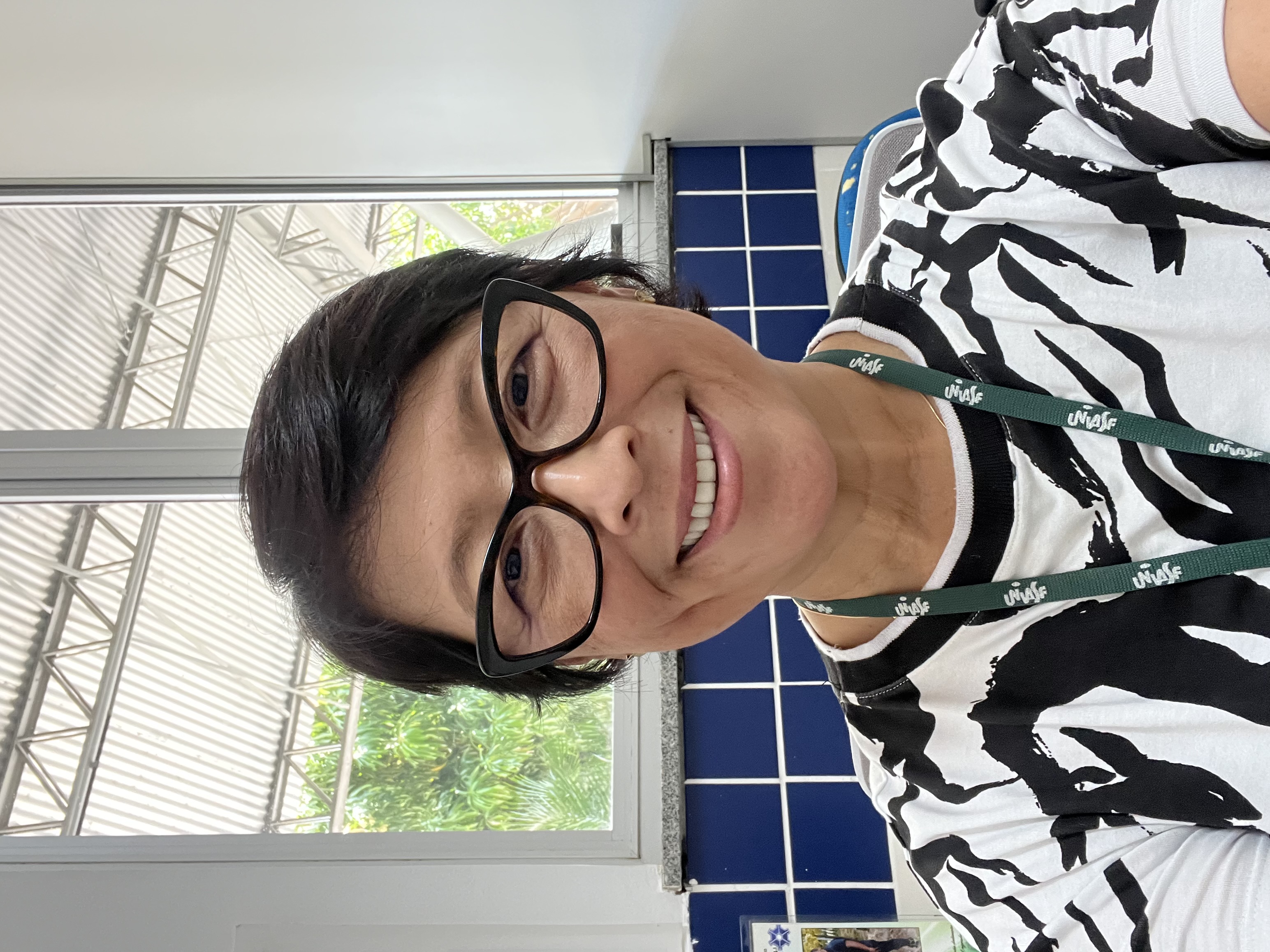
Adriana Mayumi Yano-Melo
Bio
She holds a degree in Biological Sciences from Universidade Estadual Paulista Júlio de Mesquita Filho - Unesp (1990), a master's degree in Cryptogams from the Federal University of Pernambuco (1994), and a doctorate in Biological Sciences from the Federal University of Pernambuco (2002). She is currently a full professor at the Federal University of Vale do São Francisco (Univasf). She participates as a permanent professor in the Graduate Program in Fungal Biology at the Federal University of Pernambuco and in the Graduate Program in Agronomy/Plant Production at Univasf. She served as Associate Editor of the journal Acta Botanica Brasilica from 2012 to 2021 and as a member of the Advisory Committee of the Biological Sciences Chamber of Facepe from 2015 to 2019, returning to this chamber in November 2023. She has experience in Botany and Microbiology, with an emphasis on Applied Botany and Soil Microbiology, working mainly on the following topics: ecology, application and production of arbuscular mycorrhizal fungi, use of AMF in mitigating abiotic stress in the semi-arid region, and seedling production.
Links
Aristóteles Góes-Neto
Bio
Aristóteles Góes-Neto holds a degree in Biological Sciences from UFBA (1994), a PhD in Botany from UFRGS (2001), with Post-Doctorate from FIOCRUZ-MG (2013), and is currently an Adjunct Professor in the Department of Microbiology at the Institute of Biological Sciences (ICB) of UFMG and Corresponding Member of the Göttingen Academy of Sciences and Humanities in Lower Saxony (Germany). He was Coordinator of the Graduate Program in Bioinformatics (concept 7, CAPES) (2020-2024), Coordinator of the Center for North American Studies (CENA) at UFMG (2018-2022) and is leader of the Research Group (CNPq), Molecular and Computational Biology of Fungi (BMCF). He was also a Full Professor in the Department of Biological Sciences at UEFS (1995-2016), Coordinator of the Microbiology Research Laboratory (LAPEM) (2002-2016), Coordinator of the Graduate Program (Master's and PhD levels) in Biotechnology at UEFS (2006-2011) and Founder and Technical Manager of Broto, Biotechnology Incubator of UEFS and UESC (2007-2016). He is a permanent professor and advisor for Master's and PhD students in the Graduate Programs (Master's and PhD) in Microbiology (UFMG, concept 7, CAPES) and Bioinformatics (UFMG, concept 7, CAPES), and collaborating professor in the Graduate Programs in Technological Innovation and Biopharmaceutical (UFMG, concept 5, CAPES) and Biotechnology (UEFS, concept 5, CAPES). He is currently a CNPq Researcher (level 1D). His research lines comprise Fungal Biology and Biotechnology and (Meta)omics. He has published 268 peer-reviewed articles, 16 book chapters, 1 book and filed 11 patents, 1 of which has already been granted. He has supervised 17 Post-Docs and advised, as main advisor, 29 PhDs and 28 Masters. He was the coordinator of 14 projects and research networks and/or technological development funded by Brazilian federal and state government agencies (CNPq, CAPES, FAPESB), international agencies (NSF - USA), private companies (PETROBRAS, Michelin) and currently coordinates 8 scientific projects funded by CNPq, 3 by FAPEMIG and 1 by CAPES. H-index = 43 in Google Scholar Database. H-index = 34 in Scopus Database. H-index = 32 in Web of Science Database. ORCID ID: https://orcid.org/0000-0002-7692-6243.
Links
João Paulo Matos Santos Lima
Bio
Biologist, Specialist in Bioinformatics, Master and PhD in Biochemistry. He has experience in Biochemistry, Molecular Biology, and Bioinformatics. His main line of research is the Evolution of Molecules and Metabolic Pathways, using Bioinformatics/Structural Bioinformatics and Molecular Phylogeny approaches. Currently, he is a Full Professor at the Department of Biochemistry, Biosciences Center of the Federal University of Rio Grande do Norte, a permanent member of the Graduate Program in Bioinformatics (PPg-Bioinfo-IMD/UFRN), a researcher (P.I.) at the Bioinformatics Multiusers Center (CMB/IMD/UFRN), and an associate researcher at the Institute of Tropical Medicine of RN (IMT-RN).
Links
Marcela Eugenia da Silva Caceres
Bio
Bachelor in Biological Sciences from the Federal University of Pernambuco, Master in Fungal Biology from the Federal University of Pernambuco, and PhD in Natural Sciences from the University of Bayreuth, Germany, in the area of Lichenology. She works as a professor in the permanent core of the Graduate Program in Fungal Biology at the Federal University of Pernambuco and the Graduate Program in Natural Sciences at the Federal University of Sergipe. Leader of the Lichen Taxonomy and Ecology Group. She works in the areas of taxonomy of lichenized fungi (lichens), ecology, and conservation of corticolous and foliicolous lichenized fungi of the Atlantic Forest, Amazon, and Semi-arid regions. Currently, she is a Full Professor at the Department of Biology, Federal University of Sergipe (UFS).
Links
Marcelo Marques Zerillo
Bio
Adjunct Professor in the Department of Botany and Ecology (Institute of Biosciences), at the
Federal University of Mato Grosso - Cuiabá campus. He holds a degree in Biological Sciences from
Universidade Estadual Paulista Júlio de Mesquita Filho in Rio Claro (2000), and a PhD from the
Interunit Graduate Program in Biotechnology at the University of São Paulo (2008). He worked as
a researcher (postdoc) from 2008 to 2013 at Colorado State University (Bioagricultural Sciences
and Pest Management Department), with a grant from the United States Department of Agriculture
(USDA). He was a researcher (postdoc) from 2015 to 2016 at the Nederlands Instituut voor
Ecologie (NIOO-KNAW) (Microbial Ecology Department), with a Capes/NUFFIC grant. From 2018 to
2022 he was part of the GEMACana group (FAPESP thematic project), initially with a technical
training grant in bioinformatics (TT5) and later as a collaborator. In his academic career he
worked with bacteria, fungi and oomycetes isolated from plants or soil, described as
saprophytes, pathogens, endophytes and plant growth promoters. He also studied the composition
and functional structure of edaphic microbial communities in Brazilian sugarcane fields. He has
experience in the areas of: Environmental Microbiology; Genetics of Microorganisms; and
Bioinformatics, with emphasis on: Molecular Genetics of Microorganisms;
Genomics/Transcriptomics/Proteomics; Comparative Analysis of Microbial Genomes; and Sequencing
and Annotation of Microbial Genomes. He worked with: bacteria (
Links
Reginaldo Gonçalves de Lima Neto
Bio
Adjunct Professor in the Academic Area of Tropical Medicine at the Center for Medical Sciences of the Federal University of Pernambuco. Bachelor in Biological Sciences from the Federal University of Pernambuco. Master and PhD in Fungal Biology from the Federal University of Pernambuco with a sandwich period at the University of Minho, Portugal. Post-doctorate completed through the National Post-Doctorate Program (PNPD Institutional CAPES/UFPE process 2.793/2011). Visiting Professor at the University of Nantes, France, in 2023. Coordinator of the PPG in Tropical Medicine at UFPE (2023-2027). Permanent Member of the PPG in Fungal Biology (PPGBF/UFPE). Coordinator of the Multiuser Laboratory for Research and Diagnosis in Tropical Diseases at UFPE. Mycologist of the Medical Residency in Dermatology at the Hospital das Clínicas/UFPE. Member of the management core of the Level 3 Biological Safety Multiuser Laboratory at UFPE. Member of the editorial board of The Open Microbiology Journal (1874-2858). Has experience in Medical Microbiology, with emphasis on Diagnosis by proteomic methods using the MALDI-TOF MS technique; Antimicrobial Susceptibility Testing and Detection of microbial resistance/virulence proteins by mass spectrometry. Also works on topics related to Public Health with emphasis on Cleaning and Disinfection of Fixed Surfaces in Health Units and Health Systems Audit. Leader of the research group "Proteomics of microorganisms, infectious and neoplastic processes".
Links
Team
Administrative Staff
| Name | Education | Institution | Areas of Expertise |
|---|---|---|---|
| Danielle Karla Alves da Silva | Doutorado | UFPE | Botânica Aplicada, Fungos Micorrizicos. |
| Irani da Silva de Morais | Doutorado | Centro de Pesquisa Agroflorestal da Amazônia Ocidental - CPAA-AM-Brasil | - |
| Laise de Holanda | Doutorado | UFPE | Taxonomia de Criptógamos, Ecologia de Myxomycetes, Etnobotânica, Micologia, Taxonomia de Fanerógamos. |
Research Colaborators from Brazil
| Name | Education | Institution | Areas of Expertise |
|---|---|---|---|
| Adriana Oliveira Medeiros | Doutorado | Universidade Federal da Bahia - UFBA | Ecologia de Ecossistemas, Microbiologia Ambiental, Biologia e Fisiologia dos Microorganismos, Microbiologia Aplicada. |
| Adriana de Mello Gugliotta | Doutorado | Instituto de Pesquisas Ambientais-IPA-SP | Taxonomia de Fungos, Botânica Aplicada, Microbiologia Aplicada. |
| Anderson Messias Rodrigues | Doutorado, PQ2 | Universidade Federal de São Paulo-UNIFESP-SP | Genética Molecular e de Microorganismos, Micologia Médica, Epidemiologia, Biologia Molecular, Proteínas, Doenças Infecciosas e Parasitárias. |
| André Luiz Cabral Monteiro de Azevedo Santiago | Doutorado, PQ2 | Universidade Federal de Pernambuco - UFPE | Taxonomia de Criptógamos, Microbiologia, Ecologia, Genética |
| Antonia Queiroz Lima de Souza | Doutorado | Universidade Federal do Amazonas-UFAM | Biologia Geral, Genética, Genética Humana e Médica, Genética Molecular e de Microorganismos, Microbiologia Aplicada, Mutagênese. |
| Bianca Denise Barbosa da Silva | Doutorado | Universidade Federal da Bahia-UFBA | Botânica, Taxonomia de Criptógamos, Micologia. |
| Camila Pinheiro Nobre | Doutorado | Universidade Estadual do Maranhão-UEMA | Microbiologia e Bioquímica do Solo. |
| Daniel Augusto Schurt | Doutorado | Empresa Brasileira de Pesquisa Agropecuária / EMBRAPA-DF | - |
| Danilo Batista Pinho | Doutorado | Universidade de Brasília / Departamento de Fitopatologia-UnB | Agronomia, Fitopatologia, Micologia. |
| Diogo Henrique Costa de Rezende | Doutorado | Universidade Federal do Ceará / Departamento de Biologia-UFC | Micologia, Botânica, Bioinformática, Conservação da Natureza, Microbiologia. |
| Dirce Leimi Komura | Doutorado | Instituto Federal de Educação, Ciência e Tecnologia do Amazonas-IFAM | Micologia, Taxonomia de macrofungos, Glicídeos, Taxonomia de Fanerógamos, Bioquímica dos Microorganismos. |
| Eduarda Lins Falcão | Mestrado | Universidade de Pernambuco / Instituto de Ciências Biológicas-UPE | Biotecnologia Vegetal. |
| Elaine Malosso | Doutorado | Universidade Federal de Pernambuco / Departamento de Micologia-UFPE | Micologia, Ecologia, Taxonomia Molecular. |
| Elerson Matos Rocha | Doutorado | Fundação Oswaldo Cruz-FIOCRUZ | Microbiologia, Parasitologia, Biotecnologia. |
| Elisandro Ricardo Drechsler dos Santos | Doutorado | Universidade Federal de Santa Catarina / Departamento de Botânica-UFSC | Micologia, Sistemática e Filogenia de macrofungos, Ecologia e Biogeografia de Macrofungos, Inventário e Monitoramento da Diversidade de Macrofungos. |
| Euziclei Gonzaga de Almeida | Doutorado | Universidade Federal de Mato Grosso / Departamento de Botânica e Ecologia-UFMT | Microbiologia, Biologia e Fisiologia dos Microorganismos, Biotecnologia. |
| Felipe Wartchow | Doutorado | Universidade Federal da Paraíba / Departamento de Sistemática e Ecologia-UFPB | Micologia. |
| Flavia Rodrigues Barbosa | Doutorado | Universidade Federal de Mato Grosso-UFMT | Taxonomia de Criptógamos. |
| Francisco Adriano de Souza | Doutorado | Empresa Brasileira de Pesquisa Agropecuária / Centro Nacional de Pesquisa de Milho e Sorgo-EMBRAPA | Ecologia Molecular Microbiana, Genética Molecular e de Microorganismos, Microbiologia e Bioquímica do Solo, Micologia, Ecologia Aplicada, Biologia Molecular. |
| Fábio Sérgio Barbosa da Silva | Doutorado | Universidade de Pernambuco / Instituto de Ciências Biológicas-UPE | Botânica Aplicada, Microbiologia Aplicada, Micologia. |
| Genivaldo Alves da Silva | Doutorado | Universidade Federal de Santa Catarina / Departamento de Botânica-UFSC | Micologia, Biologia Molecular, Taxonomia Vegetal. |
| Geraldo Wilson Afonso Fernandes | Doutorado | Universidade Federal de Minas Gerais-UFMG | Ecologia Evolutiva de Herbívoros Tropicais, Biodiversidade e Biogeografia de Insetos Galhadores, Recuperação de Áreas Degradadas, Ecologia de Ecossistemas, Mudanças Climáticas, Herbo-Chain: biodiversidade e fitoterápicos. |
| Gustavo Henrique Jerônimo Alves | Doutorado | Universidade Tecnológica Federal do Paraná / Campus Cornélio Procópio-UTFPR | diversidade e Filogenia de fungos zoospóricos. |
| Gustavo Souza Valladares | Doutorado | Universidade Federal do Piauí / Departamento de Geografia e Historia-UFPI | Gênese, Morfologia e Classificação dos Solos, Geografia Física, Geoprocessamento, Aptidão Agrícola das Terras, Geografia Regional, Manejo e Conservação do Solo. |
| Ivaneide de Oliveira Nascimento | Doutorado | Universidade Estadual do Maranhão / Centro de Ciências Exatas e Naturais-UEMA | Fisiologia Vegetal, Manejo e Conservação do Solo, Microbiologia e Bioquímica do Solo, Fertilidade do Solo e Adubação, Biotecnologia, Interdisciplinar/Ciências Ambientais. |
| Ivani Souza Mello | Doutorado | UFMS - Campus do Pantanal-CPAN/UFMS | Química Analítica, Química, Geociências, Biotecnologia. |
| Jaqueline Alves Senabio | Doutorado | IFMT Campus Alta Floresta-IFMT ALT | Microbiologia, Botânica, Biologia Geral, Biotecnologia em Saúde Humana e Animal, Citologia e Biologia Celular, Biotecnologia Ambiental e Recursos Naturais. |
| Jorge Teodoro de Souza | Doutorado | Universidade Federal de Lavras / Departamento de Fitopatologia-UFLA | Fitopatologia, Microbiologia Agrícola, Filogenetica Molecular. |
| Juliana Luiza Rocha de Lima | Doutorado | Universidade Federal do Rio Grande do Norte / Centro de Biociências-UFRN | Micologia. |
| Juliano Lemos Bicas | Doutorado | Universidade Estadual de Campinas-UNICAMP | Bioquímica de alimentos, Microbiologia Industrial e de Fermentação, Aproveitamento de Subprodutos, Bioquímica dos Microorganismos, Compostos antimicrobianos, Microbiologia de Alimentos. |
| Juliano Marcon Baltazar | Doutorado | Universidade Federal de São Carlos-UFSCAR | Taxonomia de Criptógamos, Taxonomia de Basidiomycetes, Aphyllophorales, Fungos Lignocelulíticos, Fungos Xilófilos, Taxonomia. |
| Larissa Trierveiler Pereira | Doutorado | Centro de Ciências da Natureza da UFSCAR-CCN | Micologia, Microbiologia, Taxonomia de Fungos, Taxonomia de Criptógamos, Microbiologia Médica. |
| Leonor Costa Maia | Doutorado | Universidade Federal de Pernambuco / Departamento de Micologia-UFPE | Botânica Aplicada, Microbiologia Aplicada, Taxonomia de Criptógamos, MICOLOGIA, Microbiologia Agrícola, Fitopatologia. |
| Lidiane Alves dos Santos | Doutorado | Fundação Universidade Federal de Sergipe-FUFSE | - |
| Loise Araujo Costa | Doutorado | Universidade Federal da Paraíba-UFPB | Biologia e Fisiologia dos Microorganismos, Micologia, Taxonomia de fungos, Ecologia de fungos. |
| Lucas Leonardo da Silva | Doutorado | Universidade Estadual de Goiás-UEG | Biologia Geral, Microbiologia. |
| Marcos Gervasio Pereira | Doutorado | Universidade Federal Rural do Rio de Janeiro / Departamento de Solos-UFRRJ | Gênese, Morfologia e Classificação dos Solos, Manejo e Conservação do Solo, Física do Solo, Química do Solo, Recuperação de Areas Degradadas, Florestamento e Reflorestamento. |
| Maria Alice Neves | Doutorado | Universidade Federal de Santa Catarina / Departamento de Botânica-UFSC | Micologia, Macromicetes, Sistemática, Filogenia, Taxonomia de Criptógamos, Microbiologia. |
| Maria Helena Alves | Doutorado | UNIVERSIDADE FEDERAL DO DELTA DO PARNAÍBA-UFDPar | Micologia, Microbiologia, Taxonomia de Criptógamos, Palinologia, Taxonomia de Fanerógamos. |
| Nelson Menolli Junior | Doutorado | Instituto Federal de São Paulo / IFSP - Campus São Paulo-IFSP | Taxonomia e Sistemática de Fungos Basidiomicetos, Cultivo de Cogumelos Comestíveis, Genética Molecular e de Microorganismos. |
| Olinto Liparini Pereira | Doutorado | Universidade Federal de Viçosa / Departamento de Fitopatologia-UFV | Micologia, Fitopatologia, Microbiologia e Bioquímica do Solo. |
| Patricia Melchionna Albuquerque | Doutorado | Universidade do Estado do Amazonas-UEA | Bioprocessos, Microbiologia Aplicada, Biocatálise, Aproveitamento de Subprodutos, Engenharia de Alimentos, Engenharia Química. |
| Patrick Cesar Alves Terrematte | Doutorado | Universidade Federal do Rio Grande do Norte / Instituto Metrópole Digital-UFRN | Aprendizagem de Máquina, Genética Humana e Médica, Bioinformática, Lógica, Computabilidade e Modelos de Computação. |
| Patrícia Oliveira Fiuza | Doutorado | Universidade Federal da Bahia-UFBA | Biologia Geral, Micologia, Botânica, Microbiologia, Ecologia e Conservação. |
| Renan Cipriano Moioli | Doutorado | Universidade do Estado do Rio Grande do Norte-UERN | Inteligência Computacional, Bioinformática, Neurociência Computacional, Modelagem de Fenômenos Biológicos, Processamento de Sinais Biológicos. |
| Renan do Nascimento Barbosa | Doutorado | Universidade Federal de Pernambuco / Departamento de Micologia-UFPE | Parasitologia, Microbiologia. |
| Rhavena Graziela Liotti | Doutorado | IFMT Campus Alta Floresta-IFMT ALT | Microbiologia, Microbiologia Ambiental, Microbiologia Industrial e de Fermentação, Protozoologia Parasitária Humana. |
| Rhudson Henrique Santos Ferreira da Cruz | Doutorado | Universidade Federal do Oeste da Bahia / Centro das Ciências Biológicas e da Saúde-UFOB | Taxonomia, Sistemática e Evolução de Fungos, Ecologia de Fungos. |
| Rogério Eiji Hanada | Doutorado | Instituto Nacional de Pesquisas da Amazônia-INPA | Micologia, Fitopatologia, Patologia da madeira. |
| Rossana de Aguiar Cordeiro | Doutorado | Universidade Federal do Ceará / Departamento de Patologia-UFC | Micologia, Microbiologia Médica, Sensibilidade In Vitro a Antifúngicos, Epidemiologia Clínica das Doenças Infecciosas. |
| Solange Xavier dos Santos | Doutorado | Universidade Estadual de Goiás-UEG | Micologia Básica e Aplicada, Microbiologia Industrial e de Fermentação, Taxonomia de Criptógamos, Enzimas Microbianas, Microbiologia e Entomologia Agrícola, Controle Biológico de Pragas. |
| Sávio Torres de Farias | Doutorado | Universidade Federal da Paraíba / Departamento de Biologia Molecular-UFPB | Genética Teórica, Bioinformática. |
| Tatiana Baptista Gibertoni | Doutorado PQ 1D | Universidade Federal de Pernambuco / Departamento de Micologia-UFPE | Taxonomia de Criptógamos. |
| Tetsu Sakamoto | Doutorado | Universidade Federal do Rio Grande do Norte / Instituto Metrópole Digital-UFRN | Bioinformática, Biologia Molecular, Genética. |
| Thalline Rafhaella Leite Cordeiro | Doutorado | Universidade Federal de Pernambuco / Departamento de Micologia-UFPE | Micologia, Microbiologia. |
| Thiago Monteiro Araújo dos Santos | Doutorado | Northeastern University - NORTHEASTERN | Ecologia Microbiana, Genética Molecular e de Microorganismos, Microbiologia Industrial e Biotecnologia. |
| Tiara Sousa Cabral | Doutorado | Universidade Federal do Amazonas-UFAM | Genética de Fungos, Filogenia Molecular. |
| Virton Rodrigo Targino de Oliveira | Doutorado | Universidade Federal de Pernambuco / Departamento de Micologia-UFPE | - |
| William Pietro de Souza | Doutorado | IFMT Campus Varze Grande-IFMT VGD | Microbiologia, Biotecnologia Ambiental e Recursos Naturais, Biodiversidade, Micologia, Tratamento Biológico de Residuos. |
| Yumi Oki | Doutorado | Universidade Federal de Minas Gerais-UFMG | Ecologia, Zoologia, Zoologia, Botânica, Micologia. |
International Researchers
| Name | Education | Institution | Areas of Expertise |
|---|---|---|---|
| Caio Ambrósio Leal Dutra | Ph.D. | University of Copenhagen - UK, Dinamarca | Biologia Molecular, Bioinformatica, Micologia, Evolução. |
| Haiyan Li | Ph.D. | Kunming University of Science and Technology-KMUST, China | - |
| Ariadne Nóbrega Marinho Furtado | Doutorado | Universita Di Cagliari-U.C-Itália | Micologia, Taxonomia, Filogenia e Sistemática, Conservação, Biologia Estrutural, Anatomia Vegetal |
International Colaborators
| Name | Education | Institution | Areas of Expertise |
|---|---|---|---|
| Gerald F Bills | Ph.D. | The State University of New Jersey - Newark-RUTGERS - USA | - |
| James Francis White Junior | Ph.D. | The State University of New Jersey - Newark-RUTGERS - USA | - |
| Janusz Andrzej Blaszkowski | Ph.D. | West Pomeranian University of Technology-ZUT, Polônia | Fitossanidade, Micologia. |
| Rafael Felipe Castañeda Ruiz | Ph.D. | Universidade de Havana-UH, Cuba | Taxonomia de Criptógamos, Microbiologia |
| Surendra Kumar Gond | Ph.D. | Banaras Hindu University - BHU, Índia | - |
Colaborators
| Name | Education | Institution | Areas of Expertise |
|---|---|---|---|
| Brena Coutinho Muniz | Mestrado | Universidade de Pernambuco / Instituto de Ciências Biológicas-UPE | Micorrízas, Fisiologia Vegetal, Biotecnologia micorrízica. |
| Eduarda Lins Falcão | Mestrado | Universidade de Pernambuco / Instituto de Ciências Biológicas-UPE | Biotecnologia Vegetal |
| Elaine Cristina Rodrigues do Nascimento | Mestrado | UFRN | Fosséis Fungícos, Paleomicologia, Taxonomia e Sistemática de Fungos. |
| Eric Bruno da Silva Santos | Mestrado | Universidade Federal de Mato Grosso / Departamento de Botônica e Ecologia-UFMT | - |
| Heloysa Farias da Silva | Mestrado | UFRN-RN-Brasil | Botânica, Taxonomia de Criptógamos, Micologia. |
| Jorge Renato Pinheiro Velloso | Mestrado | Universidade Federal do Pampa-UNIPAMPA-RS | Botânica |
| Kairo Dourado Barbosa | Mestrado | UFRN-RN-Brasil | Taxonomia, Sistemática e Evolução de Fungos. |
| Maria Isabela da Silva Figueiredo | Mestrado | Universidade Federal de Mato Grosso / Departamento de Botônica e Ecologia-UFMT | - |
| Mariana Bessa de Queiroz | Mestrado | Universidade Federal do Rio Grande do Norte / Centro de Biociências-UFRN | Taxonomia e Sistemática de Fungos Micorrízicos Arbusculares |
| Mateus Oliveira da Cruz | Mestrado | UNESP - Campus de FrancaUNESP | Fisiologia Geral |
| Naasson Victor Laurentino de Oliveira | Mestrado | Universidade Federal do Rio Grande do Norte / Centro de Biociências-UFRN | Micologia |
| Rita de Cássia Ribeiro da luz | Mestrado | Universidade de Pernambuco / Instituto de Ciências Biológicas-UPE | - |
| Suzana Brito Gomes da Silva | Mestrado | Universidade Federal de Pernambuco / Departamento de Micologia-UFPE | Microbiologia, Micologia, Ecologia, Taxonomia. |
| Victória Souza Alves | Mestrado | Universidade Federal da Bahia / Instituto de Biologia-UFBA | - |
| André Santos de Aquino Alves Monte | Graduação | Universidade Federal do Rio Grande do Norte / Centro de Biociências-UFRN | Micologia, Biologia Geral |
| Caio Bezerra Barreto | Graduação | Universidade de Pernambuco / Instituto de Ciências Biológicas-UPE | - |
| Ivan Luiz Santos da Cruz | Graduação | Universidade Federal de Mato Grosso / Instituto de Biociências-UFMT | Microbiologia |
| Jeferson Chagas da Cruz | Graduação | Centro de Pesquisa Agroflorestal da Amazônia Ocidental-CPAA-AM-Brasi | Genética, Genética Vegetal, Genética Molecular e de Microorganismos. |
| Joamir Barbosa Filho | Graduação | TRC AGROFLORESTAL-TRC LTDA-MT | Recursos Florestais e Engenharia Florestal |
| Juliana De Moraes | Graduação | Universidade Federal de Mato Grosso / Departamento de Botônica e Ecologia-UFMT | Microbiologia, biotecnologia |
| Juliana Rayssa Barros Felix | Graduação | Universidade Federal do Rio Grande do Norte / Centro de Biociências-UFRN | Gênomica, Taxonomia e Ecologia de comunidades de Fungos Micorrizicos Arbusculares. |
| Mateus Santana Ribeiro | Graduação | Universidade Federal da Bahia-UFBA | Micologia, Taxonomia |
| Alessandra De Azevedo Santos | Ensino Médio (2o grau) | Universidade Federal do Rio Grande do Norte / Centro de Biociências-UFRN | Micologia, Ecologia |
| Amanda Regis Assunção | Ensino Médio (2o grau) | Universidade Federal do Rio Grande do Norte / Centro de Biociências-UFRN | Botânica |
| Hanna Carvalho Farias de Melo Lima | Ensino Médio (2o grau) | Universidade Federal do Rio Grande do Norte / Centro de Biociências-UFRN | Micologia, Ecologia |
| Viviane Costa Monteiro da Silva | Ensino Médio (2o grau) | Universidade Federal do Rio Grande do Norte / Centro de Biociências-UFRN | Micologia, Biologia Geral |
Collaborating Institutions Network
Institutions in Brazil
UFRN
UFPE
UFBA
UEMA
UFC
UPE
UFPB
UFPI
UFS
UFDPar
UERN
UFOB
CPAA-AM
UFAM
EMBRAPA-DF
UnB
IFAM
UFMT
EMBRAPA
UFMS - CPAN
IFMT
UEG
UEA
INPA
TRC
IPA-SP
UNIFESP
UFSC
UFMG
UTFPR
UFLA
UNICAMP
UFSCAR
UFRRJ
IFSP
UFV
UNIPAMPA
UNESP
FIOCRUZ
International Partners
- Northeastern University
- Rutgers University
- University of Copenhagen
- Kunming University of Science and Technology
- Universita Di Cagliari
- West Pomeranian University of Technology
- University of Havana
- Banaras Hindu University
Documents
General Guidelines for Publications
This work was supported by INCT - Brazilian Fungi Project funded by Conselho Nacional de Desenvolvimento Científico e Tecnológico (CNPq) (proc.409181/2024-2).
- 📄 Internal Regulations - INCT Fungos Brasil
- 📄 Call for Scientific Initiation (IC) Grant Applications
- 📄 Call for Technological Development (DTI) Grant Applications
- 📝 Form for subproject presentation and resource requisition
- 📝 Application Form for DTI Grant
- 📝 Application Form for IC Grant
Report Model for Subprojects
DataPortal
The data portal will be accessible here.

Fungal Insights
It is with great enthusiasm that the international scientific community anticipates the launch, in 2026, of Fungal Insights – a new and vibrant scientific journal dedicated to the publication of innovative and disruptive studies in the fascinating Fungi-like organisms.
Fungal Insights arises from the need for an international forum that not only honors the foundations of mycology but also embraces the cutting edge of modern methodologies and interdisciplinary frontiers. Our goal is to be the premier platform for research that challenges the status quo and redefines our understanding of fungal biology and their planetary importance.
Fungal Insights is an electronic, peer-reviewed journal edited by INCT-Fungi/CNPq and supported by UFRN, dedicated to publishing high-quality research in fungal biology. This open-access platform serves as a resource for the global mycology community, ensuring broad dissemination and visibility. Authors retain full copyright of their work.
Key Features:
- Peer-reviewed research articles and monographs;
- Fully open-access publication model;
- Rapid editorial and publication process;
- Detailed policy on publication fees available in the submission guidelines;
- Thematic and special issue volumes are featured periodically.
We Invite Innovation
As a truly international journal, Fungal Insights is committed to excellence, scientific rigor, and transparency in the peer-review process. We invite researchers, academics, and scientists from around the globe to submit their most innovative and disruptive work.
Join us in shaping the future of mycology, bringing to light the potential and the invaluable role that fungi play on our planet. Fungal Insights is more than a journal. It is a movement for a new and bold exploration of the Fungal Kingdom.
The submission of manuscripts for publications in Fungal Insights is made EXCLUSIVELY through the site submission page (the link will be available soon!) and must be prepared in accordance with the instructions.
📄 Official Document (PDF)
View or download the original document in PDF format
INCT Fungi of Brazil
National Logistics Plan
Disclaimer: This document was translated from brazilian portuguese with the assistance of generative AI (Gemini).
DNA Extraction, Validation, and Shipping Workflow for Sequencing
Objective:
To establish an efficient, collaborative network ensuring that all INCT Fungi of Brazil laboratories—regardless of local infrastructure—can extract and ship high-quality genomic DNA to the sequencing facility in the USA.
1. Logistics Workflow Chart
The workflow is designed to optimize resources and guarantee the rigorous quality control required by the facility (PCR-free library prep).

2. Network Laboratory Classification
For logistical purposes, network laboratories are classified into three categories based on available infrastructure. This classification allows the Committee to assess the required support and realistically plan the sample flow.
Level 3 Laboratory Details:
These laboratories play a fundamental role in the network by housing strains of taxonomic, ecological, or biotechnological interest, even without the necessary equipment for DNA preparation. Their contribution is enabled by the collaborative framework of the INCT. The workflow for these laboratories is as follows:
-
The Level 3 Laboratory researcher fills out Spreadsheet 2 (Sequencing Request) as usual, indicating in the infrastructure column that full support is required.
-
Following Committee approval, the researcher prepares a pure culture (monosporic, visually verified per SOP 1) and ships it to the Regional Hub or designated partner laboratory.
-
The Regional Hub/partner carries out DNA extraction, quantification (Qubit), purity assessment (NanoDrop), and integrity check (gel), fills out Spreadsheet 1, and forwards everything to the National Focal Point.
-
The originating researcher remains the scientific lead for the sample and must provide all associated metadata (genus, species, strain, genome size).
3. Support and Consolidation Structure
To enable this workflow, the INCT relies on strategic support centers:
Regional Support Hubs:
-
Definition: Strategically located anchor laboratories (e.g., one in the Southeast, one in the Northeast, one in the South/Center-West) equipped with robust infrastructure and trained personnel.
-
Role: Receive samples from Level 2 Laboratories within their geographical region. The Hub performs official quantification via Qubit and purity analysis via NanoDrop. If approved, the Hub completes "Spreadsheet 1" and forwards the sample to the National Focal Point. If rejected, the Hub guides the originating lab through a new extraction.
National Focal Point:
-
Definition: The central laboratory responsible for international interface.
-
Role: Receive all approved samples (from Level 1 Labs and Regional Hubs). Apply SOP 2 (Committee Checklist) for document verification. Consolidate samples into 96-well PCR plates (optimizing batch sizes). Manage export permits (SisGen, Ibama, Federal Revenue) and handle physical shipment on dry ice to the US facility.
4. Macro Execution Schedule (Per Batch)
-
Month 1: Committee distributes Spreadsheet 2 (Sequencing Request).
-
Month 2: Committee evaluates requests, obtains facility quotes, and authorizes the start of extractions.
-
Month 3: Laboratories extract DNA. Level 2 Labs send samples to Regional Hubs. Hubs validate samples.
-
Month 4: Level 1 Labs and Hubs ship final samples to the National Focal Point.
-
Month 5: National Focal Point consolidates plates, issues permits, and dispatches shipments to the USA.

Outreach
INCT-Fungos Brasil first presentation
Papo de Fungo podcast
Metabarcoding course
Scientific Production associated with INCT-Fungos do Brasil
Articles
Splitting and filling the gaps: a reorganization of Corymbiglomeraceae and new taxa from trans-Pacific tropical regions
Authors: Crossay T, Polo-Marcial MH, Esmaeilzadeh-Salestani K, Queiroz MB, Lima JLR, Lara-Pérez LA, de la Fuente JI, Szczecińska S, Wong M, Tedersoo L, Goto BT and Magurno F
Institution (of the main Brazilian researchers): Universidade Federal do Rio Grande do Norte
Publication Date: May 10, 2026
Journal: Frontiers in Microbiology
Mapping knowledge on Arbuscular Mycorrhizal Fungi in the Amazon rainforest: a systematic review of diversity, distribution and symbiotic interactions
Authors: Mariana Bessa de Queiroz, Juliana Rayssa Barros Felix, Amanda Regis Assunção and Bruno Tomio Goto
Institution (of the main Brazilian researchers): Universidade Federal do Rio Grande do Norte
Publication Date: May 11, 2026
Journal: ACTA AMAZONICA
Cladosporium from caves of the Brazilian savannah (Cerrado) and the description of six new species
Authors: Pedro H. Félix-Oliveira, José F. S. A. Prazeres, Layanne O. Ferro, Ana C. A. Antunes, Caroline F. Lima, Dominnyke S. S. Neves, Emily O. Fonseca, Lorena S. Miranda, Renata S. Momoli, Cristina M. Souza-Motta, Konstanze Bensch, Pedro W. Crous and Jadson D. P. Bezerra
Institution (of the main Brazilian researchers): Universidade Federal de Goiás
Publication Date: June 3, 2026
Journal: IMA Fungus
Revision of Archaeosporomycetes with four fungal orders: Archaeosporales, Ambisporales, Geosiphonales and Polonosporales
Authors: Fritz Oehl, Janusz Błaszkowski, Ewald Sieverding, Piotr Niezgoda, Thays Gabrielle Lins de Oliveira, Daniele Magna Azevedo de Assis, Viviane Monique Santos, Bruno Tomio Goto, Mike Anderson Corazon-Guivin & Gladstone Alves da Silva
Institution (of the main Brazilian researchers): Universidade Federal de Pernambuco; Universidade Federal do Rio Grande do Norte
Publication Date: July 16, 2026
Journal: Sydowia
Morphological and phylogenetic analyses of Gonatobotryum (Dothideaceae, Dothideales), and the description of a new species from a mangrove sediment in Brazil
Authors: Karen B. E. Carmo, Thiago G. Carvalho, Camila S. Oliveira, Esmael A. Vital, Gabriel G. Barreto, Luis F. P. Gusmão, Melissa F. Landell, Pedro H. Félix-Oliveira, Cristina M. Souza-Motta, Layanne O. Ferro & Jadson D. P. Bezerra
Institution (main Brazilian researchers): Universidade Federal de Goiás; Universidade Federal de Pernambuco; Universidade Federal de Alagoas; Universidade Federal da Paraíba; Universidade Estadual de Feira de Santana
Publication Date: August 18, 2026
Journal: Brazilian Journal of Microbiology
Banners / Posters
"Papo de Fungo": A Brazilian Podcast Connecting Science Communication and Mycology Education Through Digital Media
Production type: Printed banner
Authors: André Santos de Aquino Alves do Monte, Kairo Dourado Barbosa, Heloysa Farias da Silva, Viviane Costa Monteiro da Silva & Bruno Tomio Goto
Institution (main Brazilian researchers): Universidade Federal do Rio Grande do Norte
Event: XII Latin American Congress of Mycology (CLAM)
Event date: September 1 - 4, 2026
Location: Quito, Ecuador
Aquatic fungi in the semiarid of Brazil (Caatinga): Distribution, Richness and Conservation status
Production type: Printed banner
Authors: André Santos de Aquino Alves do Monte, Viviane Costa Monteiro da Silva, Heloysa Farias da Silva, Bruno Tomio Goto & Patrícia Oliveira Fiuza
Institution (main Brazilian researchers): Universidade Federal do Rio Grande do Norte; Universidade Federal da Bahia
Event: XII Latin American Congress of Mycology (CLAM)
Event date: September 1 - 4, 2026
Location: Quito, Ecuador
Richness and distribution of aquatic hyphomicetes (Leotiomycetes and Orbiliomycetes) in the Amazon Region
Production type: Printed banner
Authors: Viviane Costa Monteiro da Silva, Heloysa Farias da Silva, Flavia Rodrigues Barbosa & Patrícia Oliveira Fiuza
Institution (main Brazilian researchers): Universidade Federal do Rio Grande do Norte; Universidade Federal do Mato Grosso and Universidade Federal da Bahia
Event: XII Latin American Congress of Mycology (CLAM)
Event date: September 1 - 4, 2026
Location: Quito, Ecuador
Leaf chemical traits shapes arbuscular mychorrizal fungal colonization in decomposing litter
Production type: Printed banner
Authors: Alessandra de Azevedo Santos, Juliana Luiza Rocha de Lima, Juliana Rayssa Barros Felix, Eduarda Lins Falcão, Caio Bezerra Barreto, Fábio Sergio Barbosa da Silva & Bruno Tomio Goto
Institution (main Brazilian researchers): Universidade Federal do Rio Grande do Norte
Event: XII Latin American Congress of Mycology (CLAM)
Event date: September 1 - 4, 2026
Location: Quito, Ecuador
Diversidade e colonização de Fungos Micorrízicos Arbusculares (Glomeromycota) em representantes da família Cyperaceae
Production type: Printed banner
Authors: Hanna Carvalho Farias de Melo Lima, Naasson Victor Laurentino de Oliveira & Bruno Tomio Goto
Institution (main Brazilian researchers): Universidade Federal do Rio Grande do Norte
Event: XII Latin American Congress of Mycology (CLAM)
Event date: September 1 - 4, 2026
Location: Quito, Ecuador
Zoosporângios em samambaia fossilizada do Permiano, Bacia do Parnaíba, Brasil
Production type: Printed banner
Authors: Elaine Cristina Rodrigues do Nascimento, Aline Marcele Ghilardi, Domingas Maria da Conceição, Tito Aureliano & Bruno Tomio Goto
Institution (main Brazilian researchers): Universidade Federal do Rio Grande do Norte, Museum of Natural Sciences of Chemnitz and Universidade Estadual de Campinas
Event: XII Latin American Congress of Mycology (CLAM)
Event date: September 1 - 4, 2026
Location: Quito, Ecuador
Fungos fósseis: o que as bacias nordestinas podem revelar sobre a diversidade paleomicológica brasileira
Production type: Printed banner
Authors: Elaine Cristina Rodrigues do Nascimento, Aline Marcele Ghilardi, Tito Aureliano & Bruno Tomio Goto
Institution (main Brazilian researchers): Universidade Federal do Rio Grande do Norte and Universidade Estadual de Campinas
Event: Ricardo Rodrigues School of Synchrotron Light (ER2LS)
Event date: July 13 - 24, 2026, CNPEM
Location: Campinas, Brazil
ALMA: A Nextflow pipeline based on phylogenetic placement for LSU metabarcoding of Arbuscular Mycorrhizal Fungi
Production type: Printed banner
Authors: Juliana Rayssa Barros Felix, Bruno Tomio Goto, João Paulo Matos Santos Lima
Institution (main Brazilian researchers): Universidade Federal do Rio Grande do Norte and Universidade Estadual de Campinas
Event: IX North and Northeast Symposium on Bioinformatics (IX SNNB)
Event date: August 17 - 21, 2026
Location: Natal, Brazil
Edaphic factors and land-use conversion shape the DNA-based community structure of Arbuscular Mycorrhizal Fungi (Glomeromycota) in Amazonian soils
Production type: Printed banner
Authors: Juliana Rayssa Barros Felix, Mariana Bessa de Queiroz, Camila Pinheiro Nobre, Francisco Adriano de Souza, João Paulo Matos Santos Lima, Bruno Tomio Goto
Institution (main Brazilian researchers): Graduate Program in Bioinformatics, Universidade Federal do Rio Grande do Norte, Natal, Brazil; Graduate Program in Systematics and Evolution, Universidade Federal do Rio Grande do Norte, Natal, Brazil; Graduate Program in Agrarian Sciences, Universidade Estadual do Maranhão, São Luis, Brazil; Embrapa Maize and Sorghum, Sete Lagoas, Brazil
Event: XII Latin American Congress of Mycology (CLAM)
Event date: September 1 - 4, 2026
Location: Quito, Ecuador
Science Communication
Papo de Fungo Podcast
Responsible team: André Santos de Aquino Alves do Monte, Kairo Dourado Barbosa, Heloysa Farias da Silva, Viviane Costa Monteiro da Silva & Bruno Tomio Goto
Institution: Universidade Federal do Rio Grande do Norte
Published episodes: 44 episodes (6 at Universidade Federal de Pernambuco, 4 at Universidade Federal da Bahia)
Start date: September 23, 2025
Description: The project features lighthearted conversations, fun facts, and interviews about the ecological importance of fungi, their diversity, and practical applications in science.
Courses
Courses: Practical Course on DNA Extraction from environmental samples for fungal studies
Offered by: Bruno Tomio Goto and Francisco Adriano de Souza (Researcher at Embrapa Maize and Sorghum)
Topics covered: Sampling, storage, and preparation protocols; Traditional methods vs. Extraction kits; Quality assessment and PCR amplification; Exclusive practical execution: Extraction and amplification of fungi from the Glomeromycota Phylum.
Date: June 08 to June 12
Location: Universidade Federal do Rio Grande do Norte